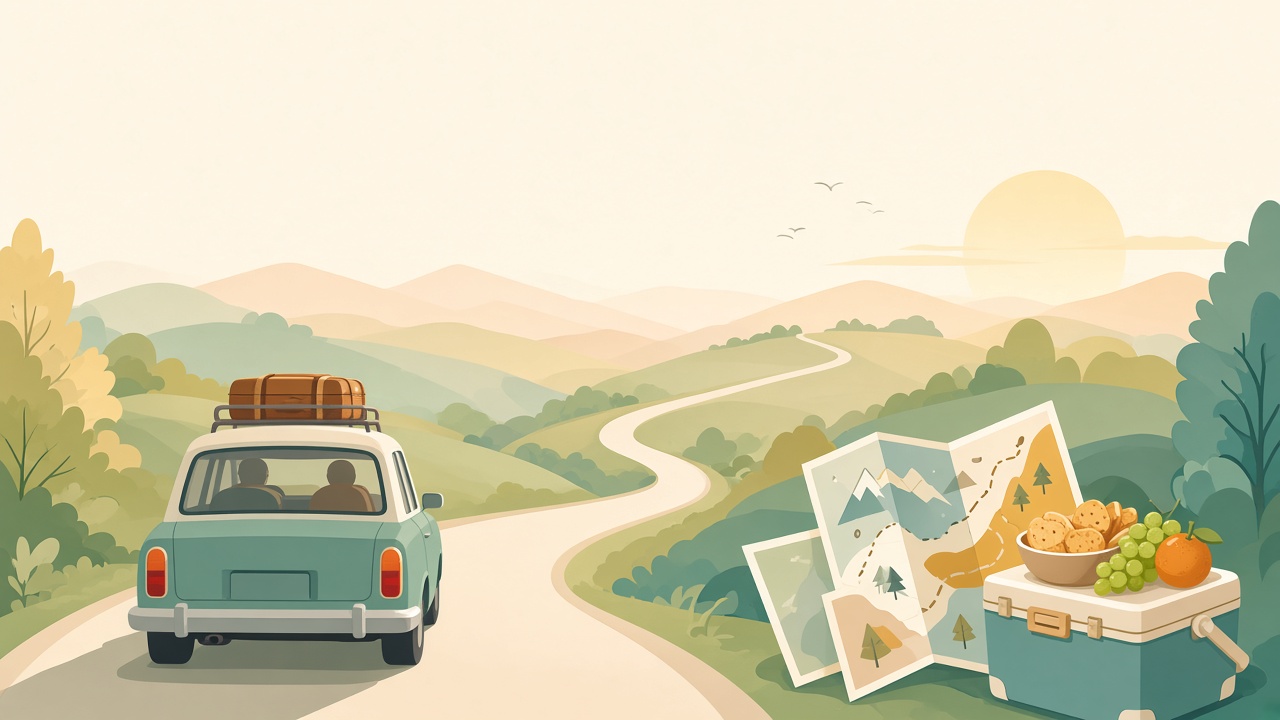
Family road trips can be the best kind of adventure: shared playlists, unexpected roadside stops, and that first stretch of quiet highway when everyone finally settles in. They can also turn sharp if the only plan is “we’ll figure it out.”
You do not need a binder full of printouts. You need a handful of decisions made before the wheels roll. Below are seven things that consistently make family road trips smoother—without sucking the fun out of the journey.
At Gather & Go Smart, our guiding line is simple: Mom plans the memories. Dad checks the budget. We help families do both. These steps support that balance. And if product recommendations ever appear on our site later, we maintain an Affiliate Disclosure so readers know how we handle links. This guide stays educational and practical.
1. Choose a route that matches your family’s real energy
The fastest route is not always the kindest route with kids in the back seat.
- Map primary drive time and a backup path in case of traffic or weather.
- Note stretches without services so you are not surprised by empty exits.
- Decide whether scenic detours are “musts” or
2. Plan breaks like they are part of the itinerary
Breaks are not interruptions. They are how you finish the day still liking each other.
- Aim for stretch stops on a rhythm that fits your kids’ ages (younger travelers usually need more frequent resets).
- Pick a mix: rest area bathrooms, a park for running, a short scenic overlook.
- Build buffer time so a longer stop does not cascade into late arrival stress.
- Agree in advance who can call an unscheduled break when someone is carsick or overwhelmed.
When breaks are planned, they feel intentional instead of like “another delay.”
3. Set a snack and meal strategy
Food is logistics and mood management.
- Pack a core snack kit that covers sweet, salty, and something with protein.
- Decide which meals are homemade or cooler-based versus which are planned stop buys.
- Keep expectations realistic: road food is rar
4. Prepare entertainment without packing the entire playroom
Bored kids invent conflict. Overstimulated kids invent different conflict. Aim for a small rotation.
- A few favorite books, sticker pads, or travel games.
- Downloaded shows or audiobooks for low-signal stretches.
- A shared family playlist with each person’s picks.
- Quiet options for evening drive segments when everyone is tired.
Rotate items rather than dumping everything into the car at once. Novelty lasts longer that way.
5. Pack with “reachability” in mind
Road trip packing is different from suitcase packing for a hotel.
- Day bag in the cabin: wipes, tissues, meds, chargers, snacks, a spare outfit for littles.
- Trunk organization so you can find jackets an
6. Do a car and safety readiness pass
This is the unglamorous step that prevents big problems.
- Check tire pressure, lights, wiper fluid, and that you know where the spare/jack info lives.
- Confirm child seats are installed correctly and buckles are not twisted under winter coats.
- Load roadside basics: water, flashlight, phone mount or stand, and any tools you already own and know how to use.
- Share location with a trusted person and leave an approximate arrival window.
You are not trying to become a mechanic overnight. You are reducing avoidable surprises.
7. Build flexibility into the plan on purpose
Rigid schedules crack under real family travel.
- Name one “must do” and two “nice to dos” for each day.
- Leave open space for a spontaneous stop that looks great in person.
- Decide in advance how you will handle weather
A sample pre-trip timeline
One week out: route, lodging, rough meal approach, entertainment downloads. Two days out: packing lists, laundry, cooler plan, car check. Morning of: five-minute essentials check (documents, meds, chargers, snacks, weather layers), bathroom stop, and go.
Keep roles light. One person can own navigation and timing; another can own snacks and comfort; kids can own their small activity pouch. Shared ownership makes the trip feel like a family project, not one parent’s unpaid second job.
Budget note without the stress spiral
Road trips often look cheaper than flights until extras stack up: snacks, spontaneous attractions, overnight stays, parking. Before you leave, set a simple trip envelope—fuel, food, lodging, fun money, and a small surprise buffer. Track as you go without turning every ice cream stop into a finance meeting.
Soft next steps
For more family-friendly planning ideas, explore About Us or reach out through Contact. Everyday ease starts before the first mile marker.
Hit the road with a route, a break rhythm, snacks, entertainment, reachable packing, a ready car, and room to adapt. That is family road trip planning that respects both memories and the budget.
- Agree on a calm reset phrase: something like “new plan, same trip” when the itinerary shifts.
Flexibility is not the absence of planning. It is planning for the fact that kids, traffic, and weather do not read your spreadsheet.
d shoes without unpacking half the car. - One “overnight essentials” tote if you are hotel-hopping—pajamas, toothbrushes, chargers within easy grab.
- A trash system (bag + wipes) that actually gets emptied at stops.
If an item is needed every two hours, it should not live under three suitcases.
ely perfect, and that is okay. - Hydrate on purpose. Thirsty kids complain; overly full water bottles create more bathroom stops—find your family’s middle ground.
A light meal plan protects the trip budget and reduces the “we’re starving, pull over anywhere” tax.
“if we have time.” - Share the plan with everyone old enough to care—kids handle long drives better when they know what “halfway” looks like.
A clear route reduces last-minute arguing and helps the budget-minded parent estimate fuel and tolls early.
Leave a Reply